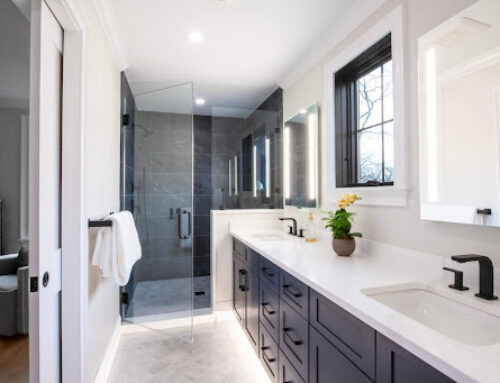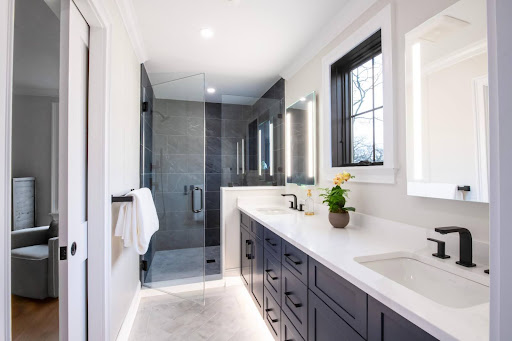
On December 2 at the 1780 House in Concord, MA, MBA Builders, The Sarkis Team, and Stone Showcase hosted Feels Like Home — a panel focused on one question:
How do sensory decisions impact the success of a custom home build, renovation, or sale?
If you’re actively planning a project or preparing to list your home, this conversation matters. Because at the end of the day, budget, layout, and finishes all serve one goal — creating a home that feels right.
Key Summary
- Sensory planning directly impacts satisfaction in custom home builds and renovations.
- Homes that engage sight, touch, lighting, and flow create stronger emotional connection.
- Consumer psychology research suggests most buying decisions happen at a subconscious level — with some experts estimating up to 95% of decision-making occurs below conscious awareness.
- Design-build collaboration improves budget accuracy and execution.
- MBA Builders uses a structured pre-construction planning process to align vision, budget, and experience before construction begins.
Why This Matters If You’re Planning a Build or Renovation
When homeowners start looking for a builder, they’re not just buying labor or materials. They’re buying certainty. They want to know the plan makes sense, the budget is realistic, and the team can deliver what was promised.
They want:
- Clear budget expectations
- Fewer surprises
- A team that understands how they want to live
What often gets missed in early conversations is how the home should feel.
But that feeling drives long-term satisfaction.
Many homeowners feel stress during a renovation. Most of it comes from unclear expectations and decisions being made after construction has already started. When layout, finishes, and details are still shifting mid-project, budgets move and timelines stretch.
A strong professional relationship changes that.
It starts with clear planning before construction begins. Not vague ideas. Not “we’ll figure it out later.” Real conversations about layout, lighting, materials, and how the home will actually be used day to day.
It also means defined roles. The builder, designer, realtor, and trade partners are aligned. Everyone knows who is leading what. Communication is direct. Questions get answered early.
And most important, decisions are made on paper before they’re made on site.
When expectations are clear and the team is aligned from the start, projects move more smoothly. Budgets stay more predictable. And homeowners feel informed instead of reactive.
Designing Beyond the Visual: Why Clarity Comes First

Many projects run into trouble because decisions are made too late. A layout shifts after framing. Finishes change after ordering. Lighting gets adjusted once the room already feels off. That’s when budgets stretch and timelines slip.
The panel made one thing clear: sensory clarity is not indulgent. It’s practical.
When you define how a room should feel from the start — bright or calm, open or intimate, quiet or active — decisions get easier. Lighting choices narrow. Materials make more sense. The layout supports the goal instead of fighting it.
This is where professional planning matters.
A structured pre-construction phase forces the right conversations early. Vision is clarified. Layouts are developed with intention. Materials are explored in context. A detailed spec book outlines finishes, fixtures, and selections. Budgets are aligned before construction begins.
Nothing moves forward until the details are defined.
And that’s the point.
When expectations are clear on paper, fewer changes happen in the field. Teams stay aligned. Homeowners feel confident instead of reactive. What could feel emotional becomes measurable and manageable.
Knowing how you want a space to feel isn’t extra. It’s the filter that keeps the entire project on track.
Materials: What You Touch Matters
Materials are not just visual. They change how a space feels the second you walk in. A honed surface reflects light differently than polished. Natural stone holds temperature. Texture and scale can make a room feel grounded or cold.
That’s why hands-on selection matters. When you slow down and experience materials in person, decisions feel more certain — and regret drops later.
Lighting: The Most Overlooked Investment
Lighting shapes everything. It affects how colors read, how large a room feels, and whether evenings feel calm or harsh.
When lighting is layered and planned early, the space works at every hour of the day. If you’re deciding where to invest in a renovation, lighting should be part of that conversation from the start.
Real Estate: First Impressions Sell Homes
Buyers form an opinion within seconds of walking into a home. Before they notice square footage or finishes, they feel the space.
Small adjustments — lighting warmth, scent, clear pathways — can shift perception quickly. Preparing a home for sale is not just about staging furniture. It’s about creating an atmosphere that feels right the moment someone walks in.
This work often starts before a client even steps into a property. A skilled real estate professional helps buyers evaluate listings through the lens of how a home will actually feel to live in. That means looking closely at the lot, the layout, the natural light, and how spaces connect and flow.
By understanding what their clients value most — privacy, sunlight, open gathering spaces, or quiet corners — they can help narrow the search to homes that already align with that vision. The goal is simple: when buyers walk through the door, the home doesn’t just look good. It already feels like home.
What This Means for You
If you’re:
- Planning a custom home build
- Considering a major renovation
- Preparing to list your property
- Comparing design-build firms
Ask this question:
Does this team help me define not just what the home looks like — but how it should feel?
Because the feeling is what lasts.
Ready to Plan With Clarity?
Most renovation stress does not come from construction. It comes from uncertainty. Not knowing if the layout is right. Not knowing if the budget will hold. Not knowing who is leading the process.
That is why MBA Builders starts with planning, not demolition.
Before a full home improvement contract is signed, clients move through a structured pre-construction phase. Layouts are developed. Selections are defined. A detailed spec book outlines finishes and fixtures. Budgets are aligned to real numbers — not allowances that shift later.
You are not handed a mood board and told to figure it out.
You are given a plan.
And that plan becomes the foundation for accurate pricing, smoother construction, and a final result that reflects the decisions you made — not changes made under pressure.
If you are considering a renovation or custom home build in Concord or the surrounding towns, start by reviewing our portfolio to see how projects move from concept to defined plan. Then schedule a conversation to discuss your goals, timeline, and investment range.
Measure twice. Build once.
Explore the work.
Start the planning process.
Contact MBA Builders to begin.